
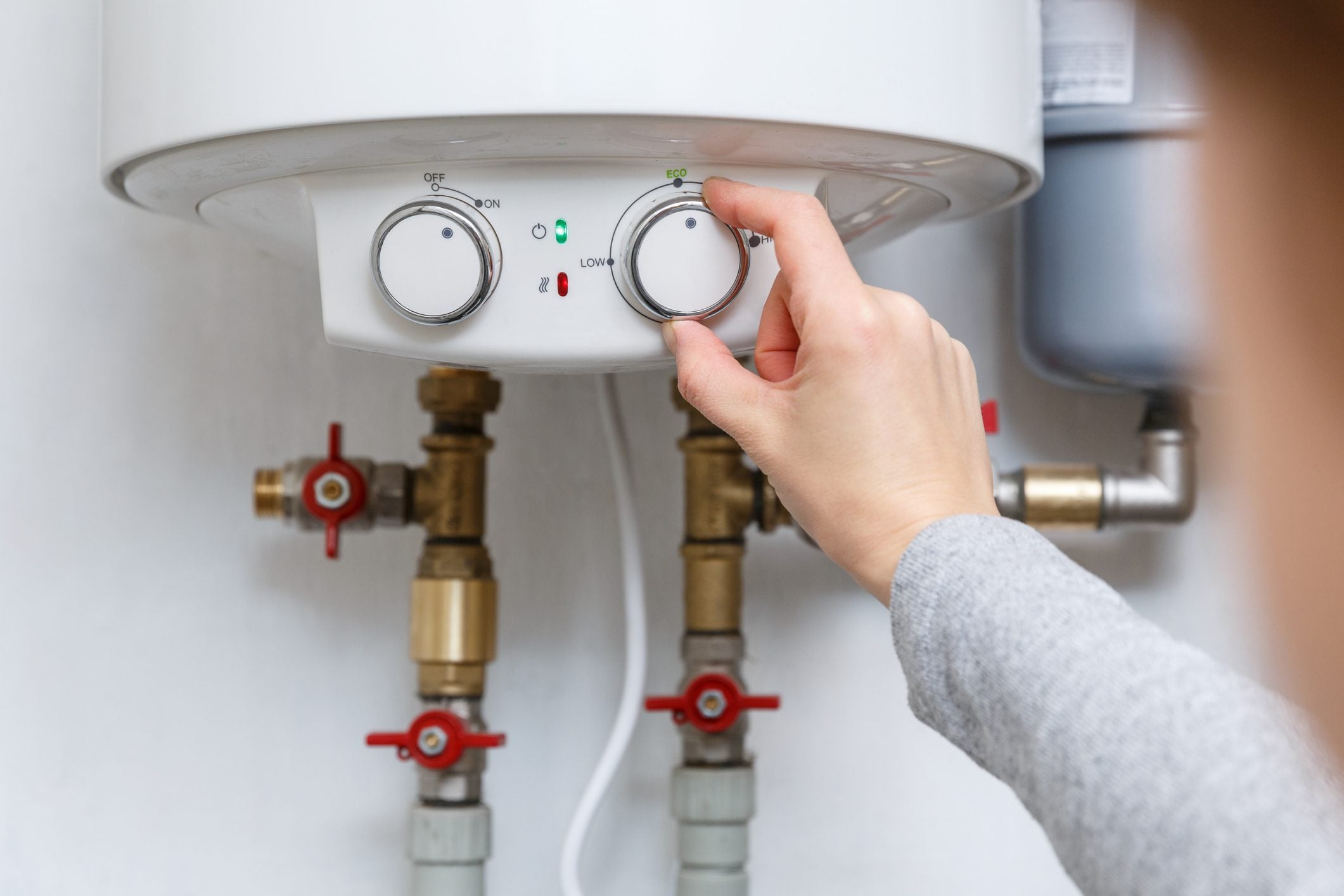
Few things are as frustrating as stepping into the shower and realizing there’s no hot water. A failing water heater can disrupt your entire routine, especially when you rely on it daily for comfort and convenience.
Water Heater
The first step is to stay calm and check for simple issues. Sometimes the problem could be as minor as a tripped breaker or a thermostat setting that needs adjustment. If you have an electric water heater, check your electrical panel. For gas units, make sure the pilot light is still on.
If everything seems normal but the water is still cold, it could be a sign of a more serious issue. Common problems include a faulty heating element, sediment buildup inside the tank, or a malfunctioning thermostat. Over time, these issues can reduce efficiency or stop the heater from working altogether.
It’s important not to ignore these warning signs. A struggling water heater often gives clues before it fails completely, such as inconsistent water temperature, strange noises, or rusty water. Addressing these early can sometimes prevent a full breakdown.
When basic troubleshooting doesn’t solve the problem, it’s best to call a professional. Attempting complex repairs without the right knowledge can be risky and may cause further damage.
A professional plumber can quickly diagnose the issue and recommend the best solution—whether it’s a repair or a replacement. In some cases, upgrading to a newer, more efficient unit can save you money on energy bills in the long run.
Hot water is something we often take for granted—until it’s gone. By acting quickly and relying on expert help, you can restore comfort to your home without unnecessary stress.