
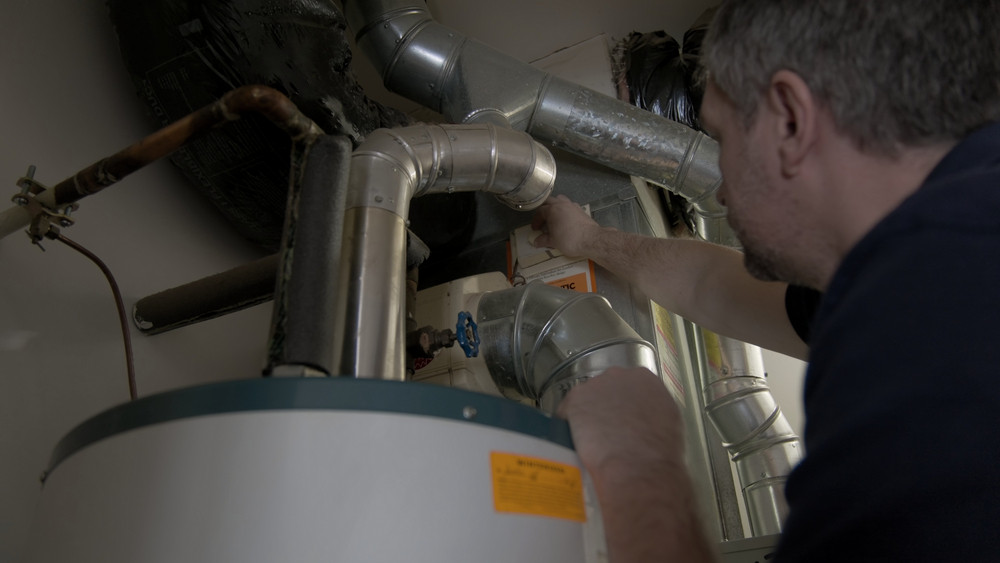
A new water heater is one of those home upgrades that doesn’t always get much attention—until the hot water runs out. Whether your current unit is aging, inefficient, or has completely failed, planning for a proper water heater installation is essential for comfort, safety, and long-term cost savings.
Before moving forward with installation, homeowners should understand the key factors that influence system performance, installation requirements, and long-term reliability. Making informed decisions upfront can prevent costly issues later and ensure your home’s hot water system runs efficiently for years to come.
Understanding When It’s Time for a New Water Heater
Most homeowners don’t think about replacing a water heater until something goes wrong—like inconsistent water temperature, leaks, or rising energy bills. However, there are earlier warning signs that should not be ignored.
According to ZipDo, the average lifespan of a water heater is eight to 12 years. Once a unit approaches this age range, it becomes more prone to inefficiency and breakdowns. Even if it still produces hot water, internal components such as heating elements, anode rods, and tanks can begin to deteriorate, leading to reduced performance and potential water damage risks.
If your system is nearing this age range, planning ahead for replacement is often more cost-effective than waiting for an emergency failure.
Choosing Between Tank and Tankless Systems
One of the biggest decisions homeowners face during water heater installation is whether to choose a traditional tank system or a modern tankless unit.
Traditional Tank Water Heaters
Tank water heaters store a set amount of hot water—typically between 30 and 80 gallons—at all times. These systems are generally more affordable upfront and easier to install, making them a common choice for many households.
However, they continuously heat water to maintain the temperature, which can lead to higher energy usage over time.
Tankless Water Heaters
Tankless systems heat water on demand rather than storing it. This means you only use energy when hot water is needed, which can improve efficiency and reduce utility costs.
They also take up less space and typically last longer than traditional tanks. However, they often come with higher installation costs and may require upgrades to gas lines or electrical systems.
Choosing between the two depends on household size, water usage habits, and long-term energy goals.
Sizing the Water Heater Correctly
Proper sizing is one of the most important parts of a successful installation. A unit that is too small will struggle to meet demand, while an oversized system may waste energy.
For tank systems, capacity is measured in gallons, while tankless systems are sized based on flow rate (gallons per minute).
Homeowners should consider:
- Number of people in the household
- Number of bathrooms
- Simultaneous water usage (showers, laundry, dishwasher)
- Peak hot water demand times
A professional plumber can calculate the appropriate size based on real household usage patterns, ensuring consistent performance without unnecessary energy waste.
Fuel Type and Energy Efficiency
Another important consideration is the energy source. Water heaters typically run on electricity, natural gas, or propane. Each option has advantages depending on local utility costs and home infrastructure.
- Electric units are widely available and easier to install, but may have higher operating costs in some areas.
- Gas units often heat water faster and may be more cost-efficient over time.
- High-efficiency models—regardless of fuel type—can significantly reduce monthly energy bills.
Energy efficiency ratings, such as Uniform Energy Factor (UEF), help homeowners compare models and estimate long-term savings. Choosing an efficient system during installation can make a noticeable difference in utility expenses over the lifespan of the unit.
Installation Location and Space Requirements
Where the water heater is installed matters just as much as the unit itself. Common installation areas include garages, basements, utility closets, and dedicated mechanical rooms.
Homeowners should ensure:
- Adequate clearance for maintenance and repairs
- Proper ventilation (especially for gas systems)
- A stable, level surface for tank units
- Protection from freezing temperatures in colder climates
- Compliance with local building codes
Tankless systems offer more flexibility due to their compact size, but they still require proper wall mounting and access to gas or electrical connections.
Plumbing and System Compatibility
Not all homes are immediately ready for a new water heater installation without adjustments. Older plumbing systems may need upgrades to support modern units, especially tankless models.
A professional inspection may identify:
- Corroded or outdated pipes
- Insufficient gas line capacity
- Electrical panel limitations
- Pressure relief valve issues
- Drainage or expansion tank requirements
Addressing these issues before installation ensures the new system operates safely and efficiently from day one.
Safety and Code Compliance
Water heaters involve both high temperatures and pressurized systems, making safety a top priority. Improper installation can lead to leaks, gas issues, or even structural damage.
Licensed plumbers ensure compliance with local building codes, including:
- Correct venting for gas units
- Proper temperature and pressure relief setup
- Earthquake strapping was required
- Safe electrical connections
Working with professionals helps prevent hazards and ensures the system passes inspection if required.
Long-Term Maintenance Considerations
A new water heater is an investment, and like any major home system, it benefits from routine maintenance. Homeowners should plan for periodic inspections to extend the lifespan of their unit and maintain efficiency.
Common maintenance tasks include:
- Flushing sediment buildup
- Checking the anode rod
- Inspecting valves and connections
- Testing temperature settings
- Monitoring for leaks or corrosion
Regular upkeep can significantly extend performance and help avoid unexpected breakdowns.
Cost Factors to Keep in Mind
The cost of water heater installation varies depending on several factors:
- Type of system (tank vs. tankless)
- Size and capacity
- Fuel source and necessary upgrades
- Labor and permitting requirements
- Any additional plumbing modifications
While upfront cost is important, homeowners should also consider long-term operating expenses. A slightly higher initial investment in a high-efficiency system can often lead to substantial savings over time.
Why Professional Installation Matters
Although DIY home projects are common, water heater installation is not one of them. The combination of plumbing, electrical, and sometimes gas connections makes this a job best handled by trained professionals.
A licensed plumber ensures:
- Proper system selection and sizing
- Safe installation and connection
- Compliance with local codes
- Reliable long-term performance
- Reduced risk of leaks or failures
Working with an experienced team like Captain Plumbing helps ensure your system is installed correctly the first time, minimizing future problems and maximizing efficiency.
Schedule Your Professional Water Heater Installation With Captain Plumbing
Choosing the right water heater is about more than just replacing an old unit—it’s about improving efficiency, safety, and comfort in your home. By considering system type, sizing, energy efficiency, and installation requirements, homeowners can make informed decisions that pay off for years to come.
Whether upgrading an aging system or installing a new one for the first time, taking a thoughtful approach to water heater installation ensures reliable hot water and peace of mind for the entire household.